How to Find Trusted Clinics Near Me for Aesthetic Treatments
When I first started exploring aesthetic treatments, I quickly learned that a quick online search for "clinics near me" can return dozens of results but very little that helps you separate the excellent from the average. The range of options is wide: you might find everything from a high-street beauty salon offering HydraFacial alongside a lash tint, to a private clinic run by a prescribing nurse who specialises in anti-wrinkle injections and dermal fillers. The challenge is knowing which one is right for your specific needs.
Over the years, I have visited around a dozen different clinics for treatments ranging from a simple chemical peel to more involved procedures like microneedling and radiofrequency skin tightening. Each time, the search started the same way. I typed in my postcode and looked at the map. But I have come to realise that the real work begins after you have that initial list. You need to know what questions to ask and what signs of quality to look for.
Why Location Matters More Than You Think
A clinic that is close to home or work makes a real difference when you need multiple sessions. Laser hair removal, for example, usually requires between six and eight appointments spaced several weeks apart. If you are travelling across town each time, you are far more likely to skip a session or delay your treatment plan. The same goes for a course of CACI facial treatments or a series of microneedling appointments. Consistency matters, and convenience helps you maintain it.
That said, proximity should never be the only factor. I have visited a clinic that was a five-minute walk from my front door and left disappointed because the practitioner seemed rushed and the consultation lasted barely ten minutes. Conversely, I have travelled forty minutes to a clinic that offered a full hour of consultation time, detailed aftercare instructions, and a treatment plan that felt genuinely tailored to my skin. So when you search for "clinics near me", treat the location as a starting point, not a finish line.
What to Look for in a Practitioner
The person performing your treatment is far more important than the name above the door. In the UK, aesthetic treatments are not all regulated in the same way. Botox and dermal fillers, for instance, can be carried out by a range of professionals including doctors, nurses, dentists, and even some non-medical practitioners who have completed a short training course. The level of training varies enormously.
I always check the practitioner's background before I book. For injectable treatments such as Juvederm fillers or Botox, I look for a prescriber who is registered with a professional body like the Nursing and Midwifery Council or the General Medical Council. A good practitioner will be happy to tell you about their qualifications and how long they have been doing the procedure. If they seem vague or dismissive, that is a red flag.
For non-invasive treatments like HydraFacial, IPL, or Thermage, the training pathway is different but equally important. A therapist who has been certified by the equipment manufacturer and has performed the treatment hundreds of times will give you a better result than someone who learned the technique from a single online module. Ask about their experience with your specific treatment, not just their general years in the industry.
The Role of Consultation and Aftercare
A proper consultation should feel like a two-way conversation, not a sales pitch. When I had my first consultation for radiofrequency skin tightening, the practitioner spent a long time examining my skin, asking about my medical history, and explaining what the treatment could realistically achieve. She did not promise miracles. She explained that radiofrequency works best for mild to moderate laxity and that results build over several months. That honesty made me trust her.
Aftercare is another area where good clinics distinguish themselves. A chemical peel, for example, leaves your skin sensitive and requires careful management in the days afterwards. The best practitioners give you written aftercare instructions, tell you what products to avoid, and sometimes even check in with you a few days later. I have also had clinics send me a follow-up message after a course of microneedling to see how my skin was healing. That level of care tells you they are invested in your outcome, not just your payment.
NHS versus Private Clinic: Different Strengths
Many people wonder whether they should go to an NHS dermatology department or a private clinic for aesthetic treatments. The truth is that they serve different purposes. The NHS is excellent for medical dermatology issues like severe acne, eczema, or skin cancer checks. But for cosmetic treatments such as Botox, fillers, laser hair removal, or cosmetic acupuncture, private clinics are usually the only option.
Private clinics also tend to have more flexibility in their approach. They can offer a wider range of treatments and often have access to newer devices and techniques. However, because they operate as businesses, it is worth checking their reputation beyond their own website. Look for independent reviews, ask for before-and-after photos, and see if they are listed on a professional directory that verifies their credentials.
Treatment Rooms, Spas, and the Environment
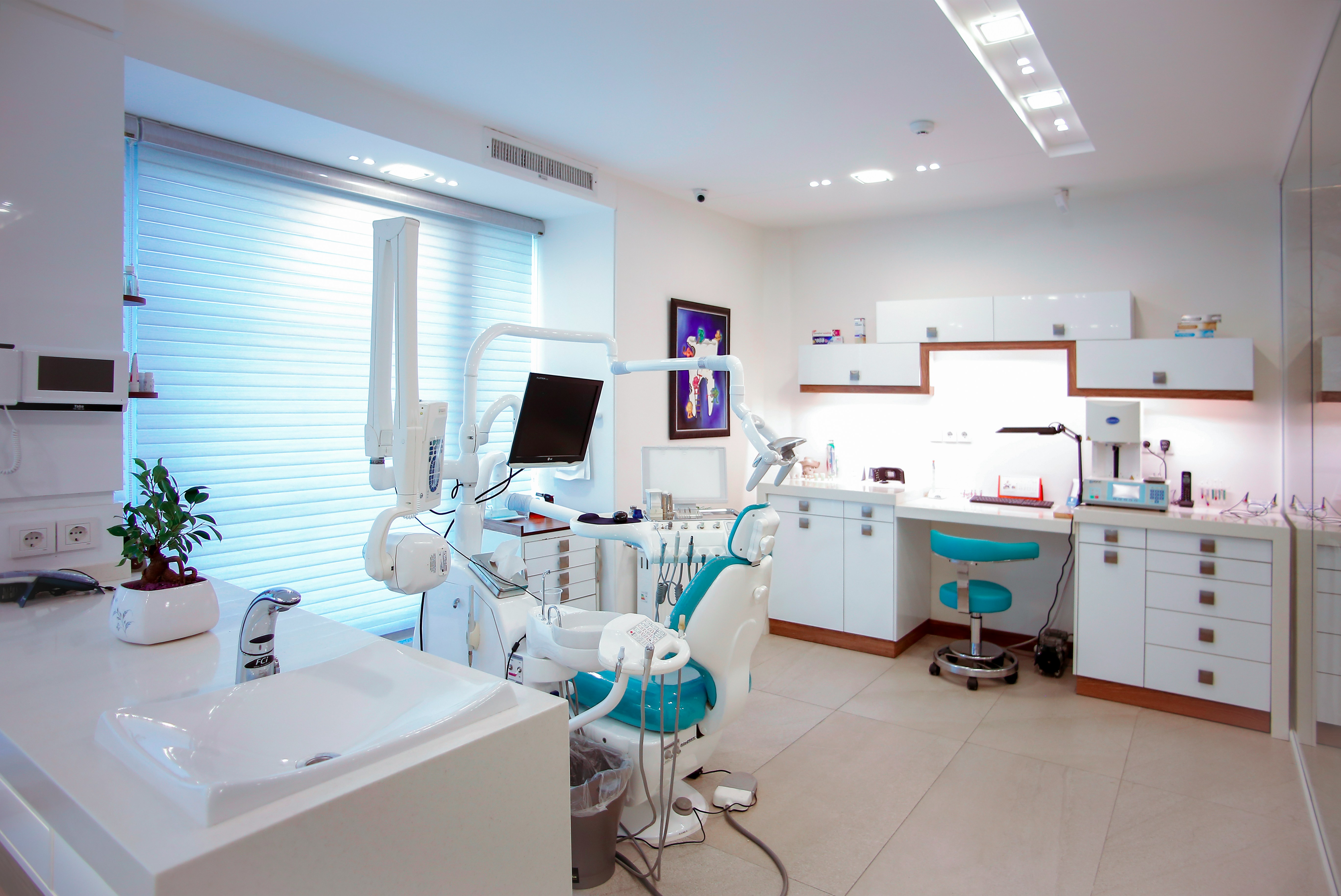
The setting of the clinic tells you a lot about their standards. A treatment room that is clean, well-lit, and equipped with medical-grade equipment is a good sign. I have been to spas where the treatment room doubled as a storage space for towels and cleaning products, which did not inspire confidence. On the other hand, I have visited a small private clinic that had a dedicated sterilisation area and used single-use needles and syringes for every procedure. That attention to hygiene is non-negotiable.

Some treatments, like HydraFacial or a relaxing facial massage, can work beautifully in a spa environment. Others, like injectables or microneedling, benefit from a more clinical setting where infection control is taken seriously. Think about what feels right for the procedure you want. If you are getting laser hair removal on a sensitive area, you want a practitioner who has a private, comfortable room and who respects your modesty. That is as important as the technology they use.
How to Use Reviews and Recommendations
Word of mouth is powerful, but it can also be misleading. A friend might rave about a clinic because they had a great HydraFacial, but that same clinic might not be the best choice for your first round of Juvederm lip fillers. Try to find reviews from people who have had the exact treatment you are considering. Look for comments about pain levels, results, downtime, and aftercare support.
When you search for "clinics near me", pay attention to how long the clinic has been established and whether the same practitioner has been there consistently. High staff turnover can be a sign of poor management or low morale. A clinic where the same nurse has been doing Botox for ten years is usually a safer bet than one that has a new therapist every few months.
Practical Questions to Ask Before Booking
Before you commit, I recommend asking at least these three questions during your initial contact:
- What qualifications do you hold for this specific treatment, and how often do you perform it?
- Can I see examples of your work, such as before-and-after photos of previous clients?
- What does the aftercare involve, and what happens if I have a complication or an adverse reaction?
The answers will tell you a great deal. A confident, experienced practitioner will answer them clearly and without defensiveness. Someone who is evasive or tries to rush you into a booking is not someone you want working on your face or body.
The Value of Medical-Grade Skincare and Maintenance
Many clinics now offer medical-grade skincare products alongside their treatments. These are not the same as over-the-counter brands. They contain higher concentrations of active ingredients and are designed to support your skin before and after procedures like chemical peels or microneedling. A good practitioner will recommend products that complement your treatment plan, not just the most expensive ones on the shelf.

I have also found that the best clinics treat your aesthetic journey as a partnership. They will tell you honestly whether you need a single session of IPL for pigmentation or a course of three. They will explain the maintenance schedule for treatments like radiofrequency or Thermage, which usually require top-up sessions once or twice a year. That kind of transparency builds trust and helps you budget realistically.
Final Thoughts on Finding the Right Fit
Choosing a clinic is a personal decision. What works for one person may not work for another. The key is to combine your own research with a healthy dose of common sense. Start with a search for "clinics near me", but do not stop there. Look beyond the website photos and the social media feeds. Visit the clinic for a consultation. Trust your instincts. If something feels off, move on to the next option.
I have had excellent results from clinics that were small and unglamorous but staffed by experienced, caring practitioners. I have also walked out of a fancy reception area feeling like just another number on a busy schedule. The quality of care is not always visible from the street. But if you ask the right questions and pay attention to the detail, you can find a clinic that gives you safe, effective treatment and the results you are hoping for.